
How AP Teams Can Prevent Account Takeover Fraud and Payment Scams

For many finance teams, the inbox still functions as an unofficial workflow engine. Invoices arrive there, supplier queries are handled there, and approvals are often chased there. This reliance on email creates a significant control weakness, making account takeover fraud an increasingly serious risk for AP teams.
7 Practical Steps to Prevent Modern Accounts Payable Fraud

In early 2024, a finance employee at a multinational authorised a transfer worth more than US$25 million after joining what looked like a routine video call with senior colleagues. The faces looked familiar. The voices sounded right. The direction felt urgent and plausible. Only later did the organisation learn the people on screen were synthetic replicas designed to pressure one person into bypassing the process. Cases like this show why accounts payable fraud prevention is now a critical priority for modern finance teams, especially across broader finance and P2P workflows.
How AP Teams Can Stop Executive Impersonation Fraud Before Money Moves
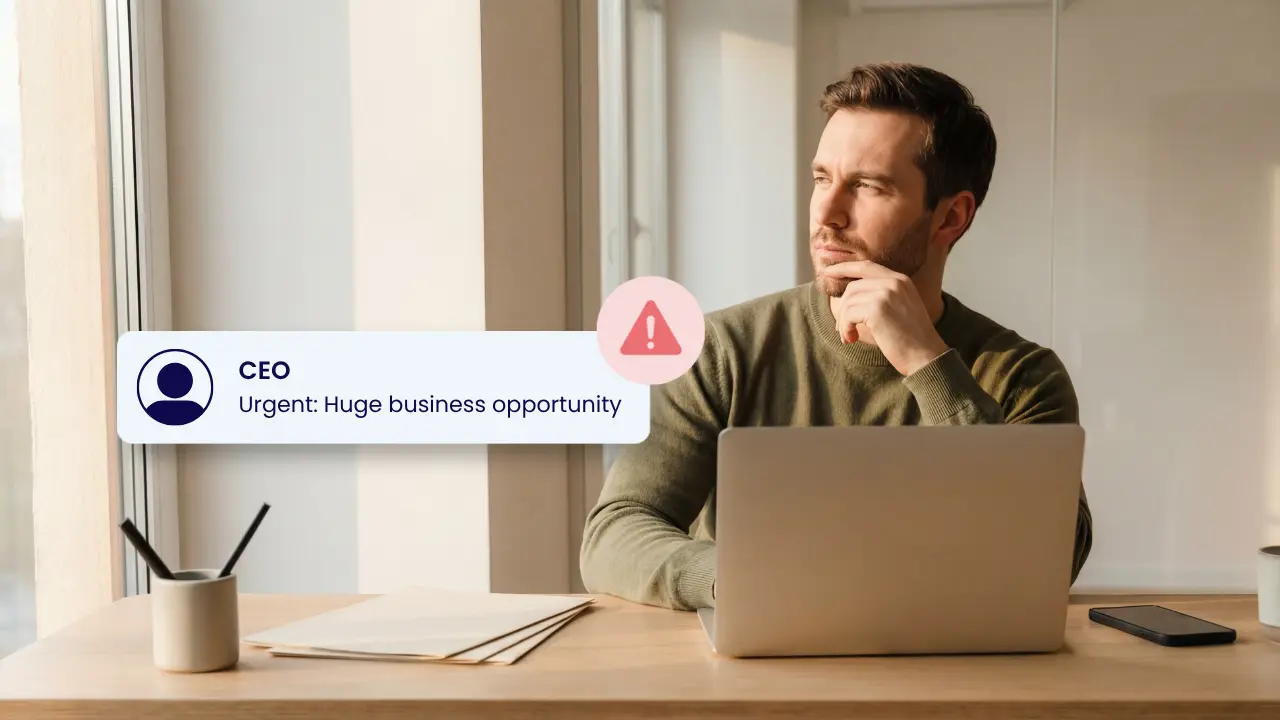
In many organisations, a single message from the CFO can override weeks of process. That is exactly what executive impersonation fraud relies on. The scam is no longer limited to clumsy urgent payment emails.
Finance and AP teams are now dealing with realistic voice cloning, convincing video calls, and messages written to match how your organisation speaks, often arriving at the worst possible time, such as month-end, a system go-live, or during leave.
Accounts Payable in Accounting: What Is It and Why Does It Matter

Accounts payable in accounting is a current liability that records amounts owed to suppliers for goods or services received but not yet paid. It is often introduced as a basic concept, but that definition is incomplete in the way most finance teams experience AP. In operational terms, AP is where procurement and spending decisions become recorded liabilities, where costs are allocated, and where weak governance becomes visible through disputes, rework, and month-end pressure.
How to Automate Supplier Onboarding Compliance Without Slowing Procurement
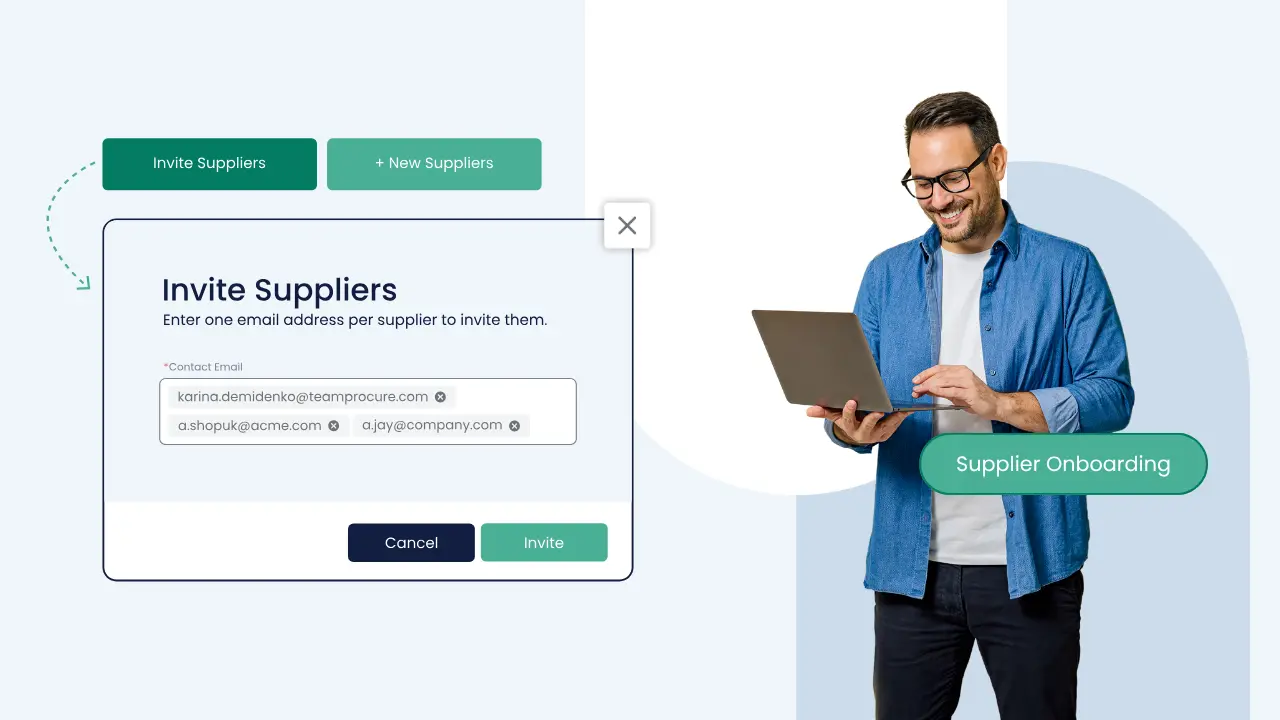
Supplier onboarding often breaks down in a specific place. Not in the can we pay them? And not in the can they trade smoothly? It breaks in the compliance layer, where organisations must automate supplier onboarding to make evidence collection, approval and ongoing compliance more consistent and auditable.
How to Calculate Days Payable Outstanding (DPO) and What Does It Tell You

Days Payable Outstanding, usually shortened to DPO, is one of the most commonly used working capital measures in finance. It estimates how long, on average, your organisation takes to pay suppliers.
How Do You Automate Invoice Processing Without Losing Control

Invoice automation is often framed as removing manual work, but that is only the surface layer. The deeper objective is to make invoice processing predictable and defensible. When an AP process is predictable, invoices move through validation and approval without constant intervention. When it is defensible, the organisation can evidence why an invoice was paid, who approved it, and how exceptions were resolved.
What’s Included in End-to-End AP Automation Software

End-to-end AP automation software is an attractive concept in accounts payable because it suggests the process is complete, visible, and controlled. In a function where invoices can arrive from anywhere, and approvals can disappear into inboxes, the promise of an end-to-end solution feels like relief.
8 Things to Look for in Accounts Payable Software for Growing Businesses

Growing businesses often feel accounts payable pressure earlier than expected. It is not always because invoice volumes are high. More often, it is because finance capacity is stretched. One person may be receiving invoices, answering supplier questions, chasing approvals, coding expenses, and trying to keep month end on track.
Why AI Invoice Capture Alone is Not Enough for AP Automation

AI invoice capture is often presented as the turning point for accounts payable automation. The message is simple: invoices arrive, data is extracted automatically, and manual effort disappears.