
Is e-invoicing mandatory in Australia? What finance and AP teams need to know for 2026–27
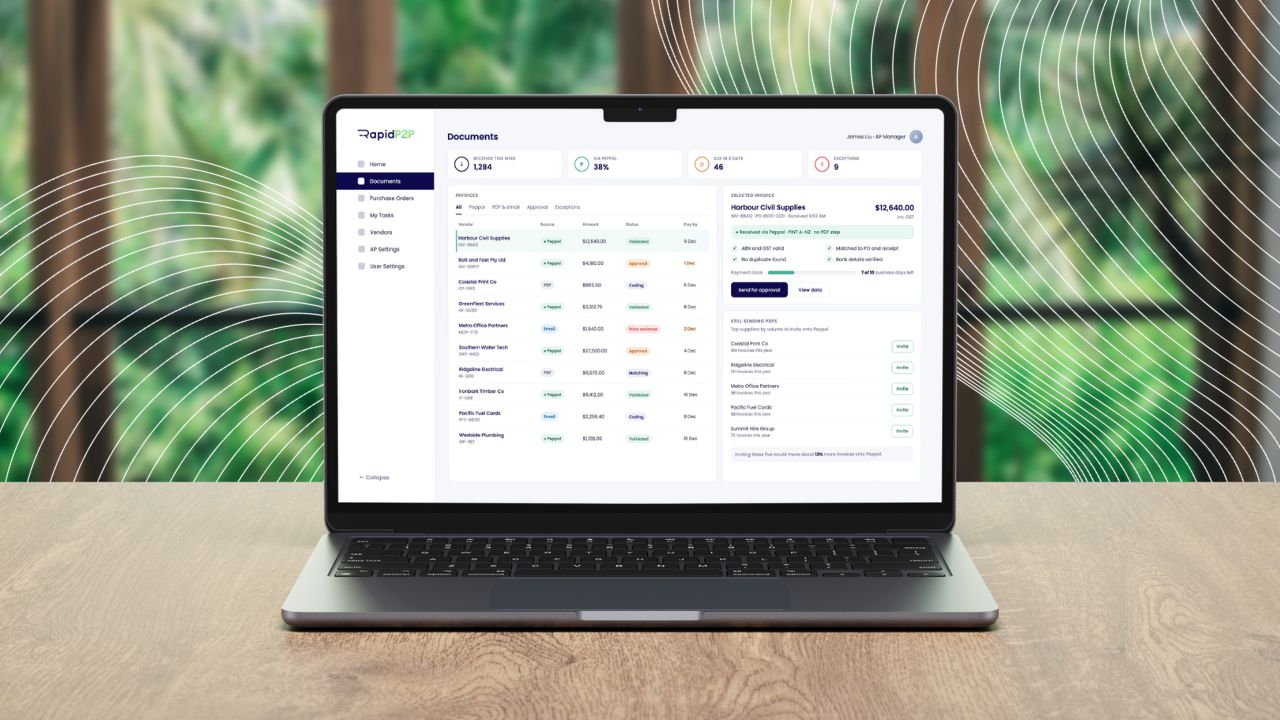
No law requires businesses to send or receive e-invoices. The obligations sit with government buyers, and they tighten from December 2026.
AI in Accounts Payable: What Your Auditor Will Ask First
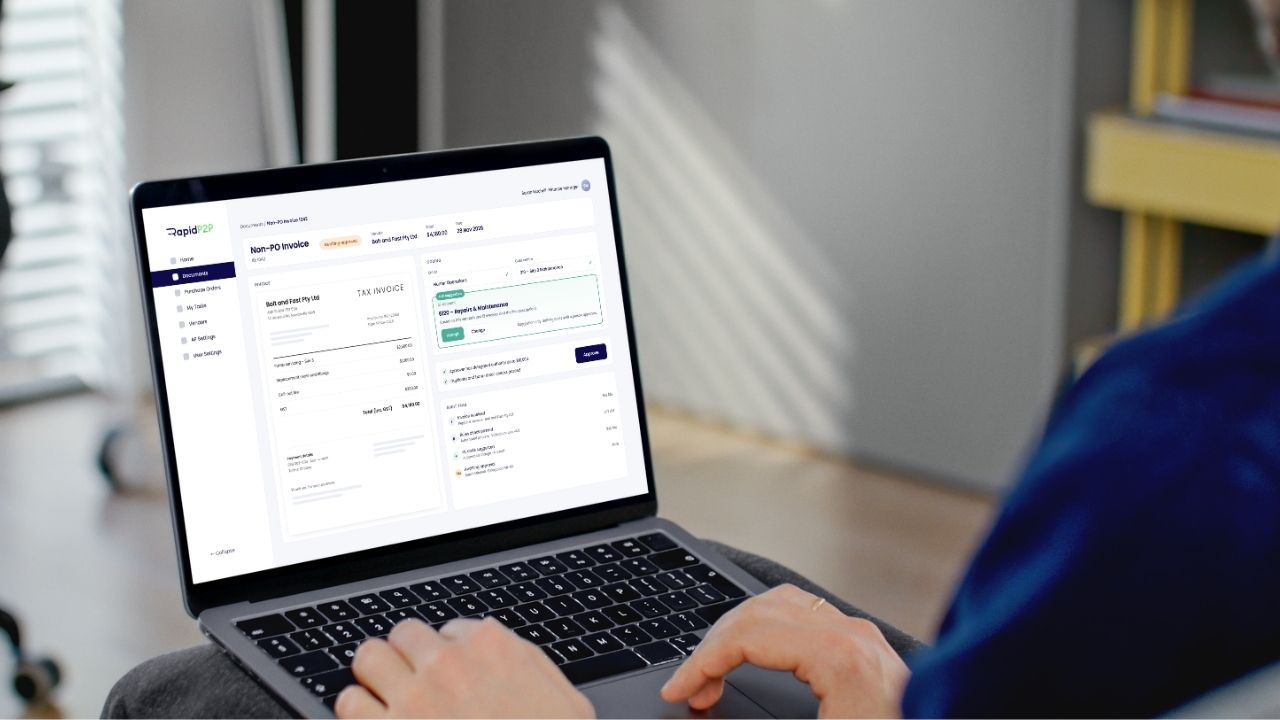
AI suggests. Rules decide. People approve.
Your ERP processes invoices. That doesn’t mean it automates AP.

What your ERP’s accounts payable module handles, what it leaves with your team, and when specialist AP automation makes sense.
If a fraudster changes your supplier’s bank details, who pays?

What two Australian court cases mean for CFOs, and why a phone call isn’t a control.
8 Features That Matter in Accounts Payable Workflow Software
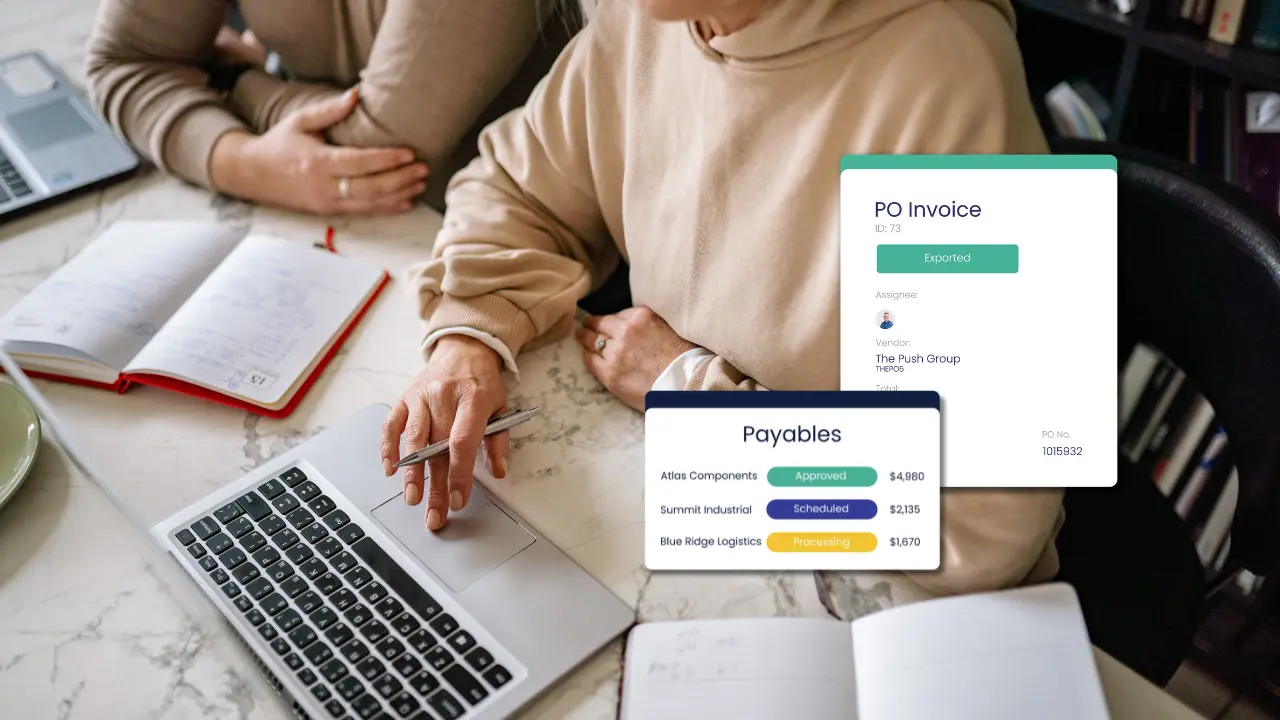
Accounts payable is often introduced as a basic concept in accounting: a current liability representing amounts owed to suppliers. That definition is correct, but it is incomplete in the way most finance teams experience AP.
Vendor Onboarding for Accounts Payable: Clean Data and Accurate Payments

Vendor onboarding can look simple until it becomes urgent, and vendor onboarding for accounts payable is often where long-term issues begin. Someone needs a new supplier today, details arrive via email and PDFs, and accounts payable is expected to set the record up fast, with no mistakes. In many organisations, that leads to duplicate vendor records, invoices stuck in exceptions, payment reissues, and controls that are hard to defend when an audit asks, show me how this was approved.
Supplier Onboarding for Procurement: Trading Readiness Before the First PO

Many organisations use supplier onboarding to mean finance setup: collecting payment details, creating a record in the ERP, and confirming invoice requirements. Those steps matter, but supplier onboarding for procurement goes further, addressing the operational readiness needed to avoid recurring procurement pain points.
AP Automation ROI: Costs, Benefits and Investment Value

For most finance leaders, the question isn’t whether AP automation is a good idea in principle. It’s whether the investment still makes sense once you account for implementation effort, process change, and the messy reality of approvals and exceptions.
Accounts Payable on the Balance Sheet Explained

Accounts payable on the balance sheet appears as a current liability, representing supplier invoices that have been recognised as owed but not yet paid. That is the accounting answer, and it is correct. The operational challenge is that the AP number depends on what has been processed and posted by the reporting cut-off.
Automating Accounts Payable: A Practical Approach

Most finance teams don’t automate accounts payable because they want a new system. They do it because the current process becomes harder to defend, harder to scale, and harder to manage each year.